
MUSEUM
Flow Into our History
ABOUT US
A Landmark of History, Memory, and Discovery
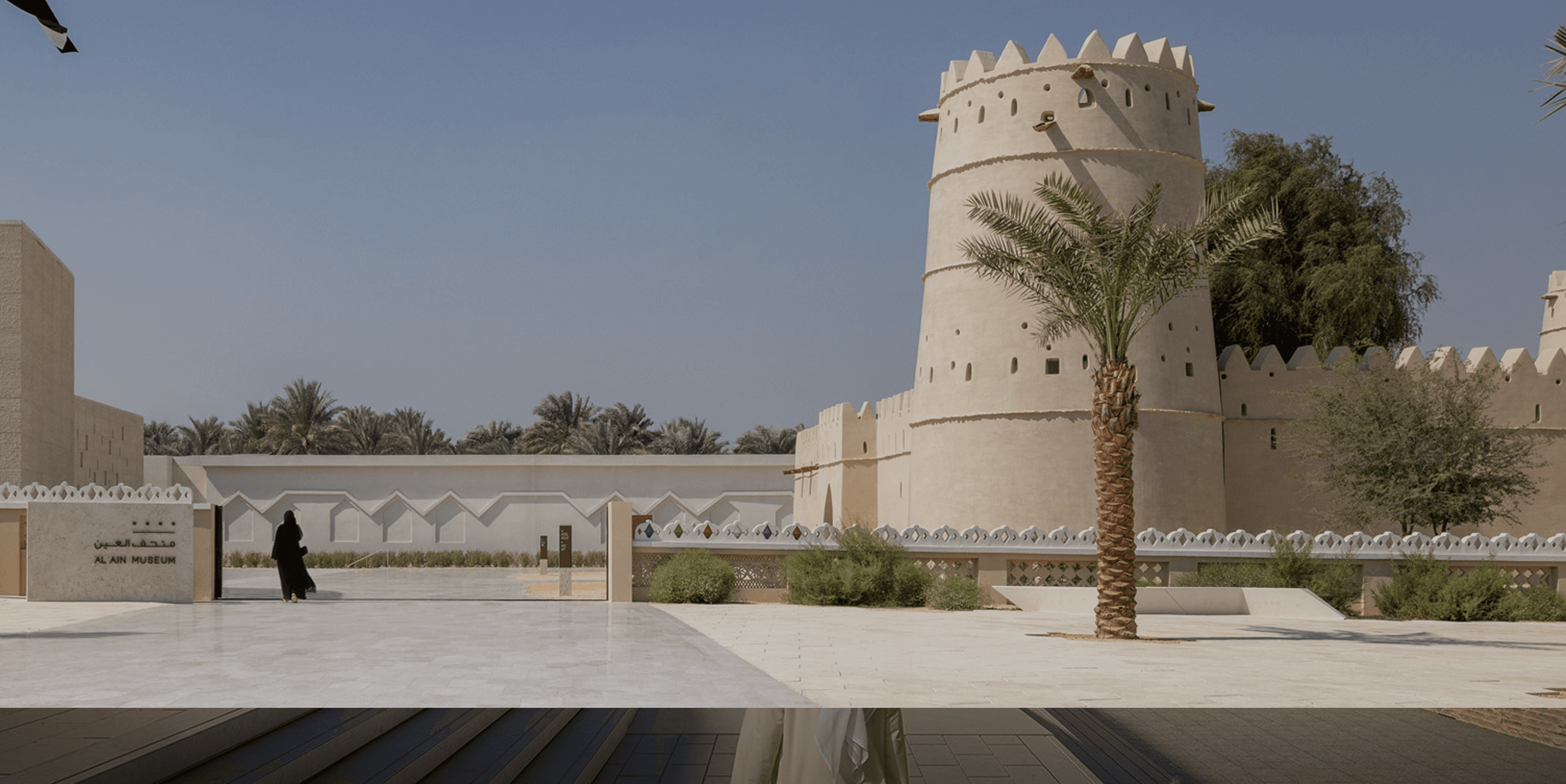
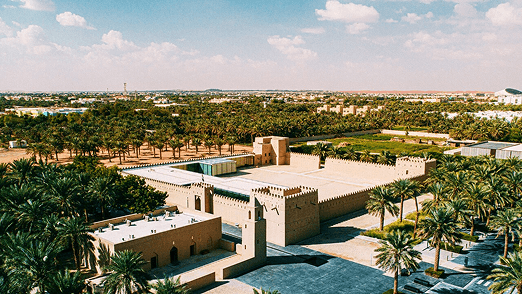
Al Ain Museum was founded in 1969 by the late Sheikh Zayed bin Sultan Al Nahyan to showcase the archaeology and history of Al Ain. Situated east of Al Ain Oasis, in the historic district once known as Harat Al Hosn, the museum is the UAE’s first purpose-built museum and one of its most significant cultural institutions. Here, visitors encounter stories that span from the Palaeolithic era to the 20th century, offering a window into the region’s long-standing traditions of innovation, community, and cultural exchange.
A Fort, a Museum, a Memory
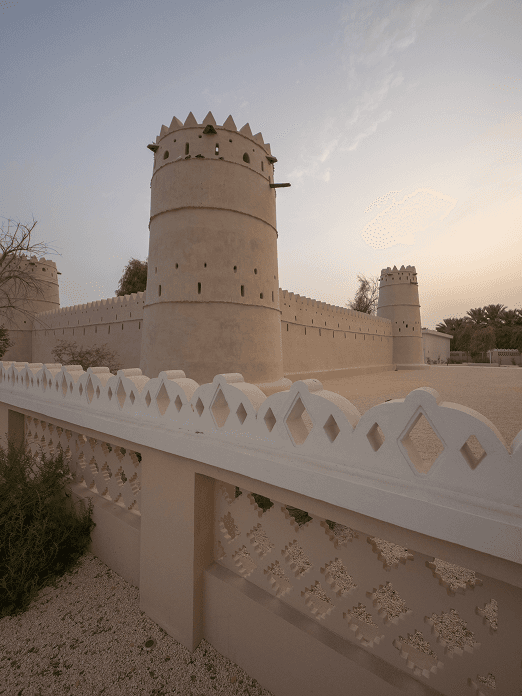
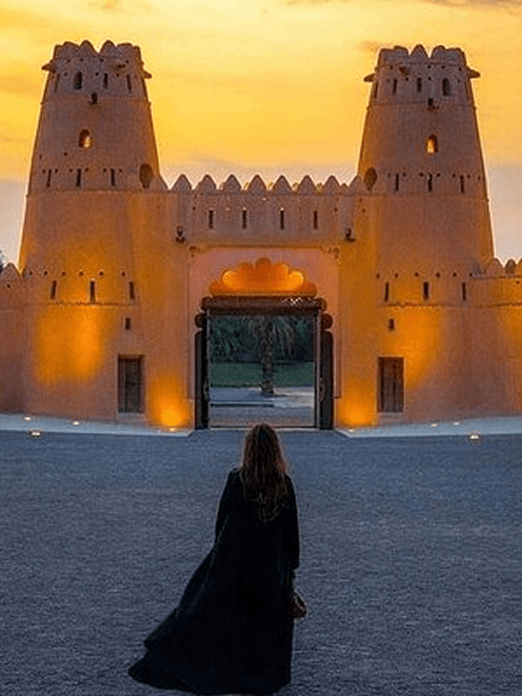
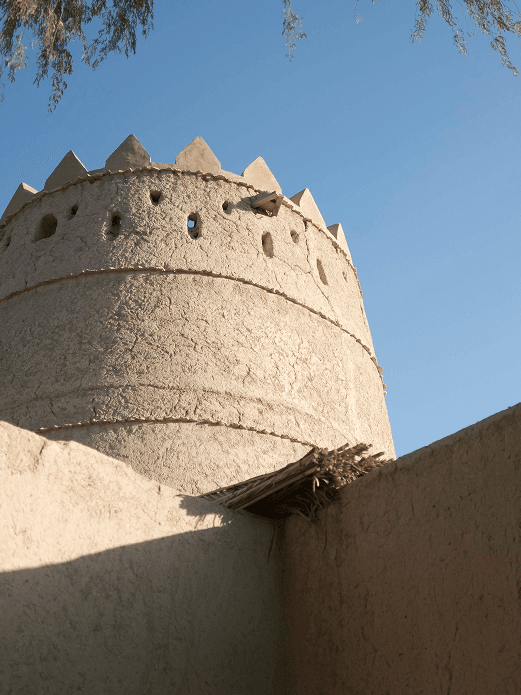
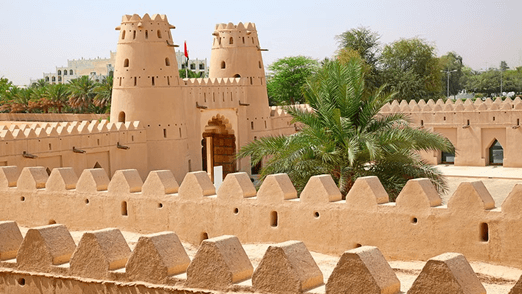
Within the grounds of Al Ain Museum stands Sultan Fort, built in 1910 by Sheikh Sultan bin Zayed Al Nahyan.
Its presence weaves the history of the site directly into the visitor’s journey, making the museum not only a place that tells stories but also one that embodies them. Founded in 1969 and inaugurated in 1971, Al Ain Museum has grown into a cornerstone of cultural heritage in the region. Recognised as part of the Cultural Sites of Al Ain and listed as a UNESCO World Heritage Site, it reflects the region’s enduring legacy and its role in the development of human settlement in arid environments.
A Fort, a Museum, a Memory
A Museum of Many Layers
Al Ain Museum offers a rare and compelling blend of structures from different periods:

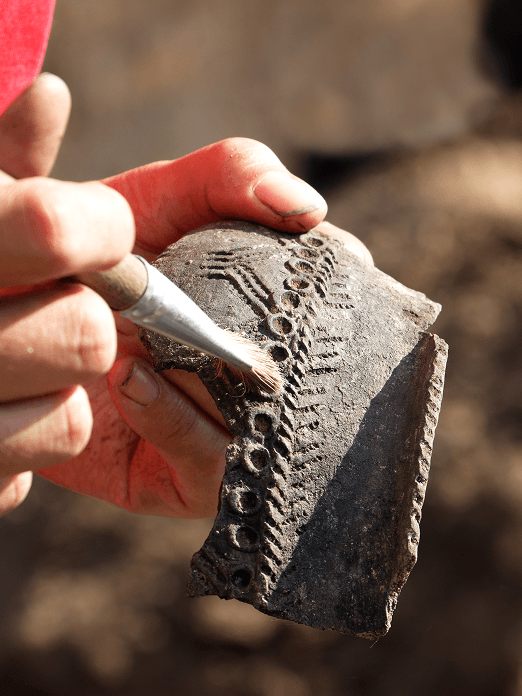
Beneath the galleries lie in situ archaeological remains, uncovered and preserved exactly where they were found.
At its heart is Sultan Fort, a historic early 20th-century building.
Next to it is the 1970s museum building, now considered a piece of modern heritage.
And complementing it all are new, gallery spaces built to deliver an immersive and accessible visitor experience.
Together, these layers reflect the UAE’s evolving story — one told through architecture as much as through artefacts.
Renewed for the Future
Within the grounds of Al Ain Museum stands Sultan Fort, built in 1910 by Sheikh Sultan bin Zayed Al Nahyan.
The museum has undergone a major transformation. Its original 1970s structure has been carefully restored, Sultan Fort revitalised, and four new exhibition galleries constructed. Three of these are built around in situ archaeological remains, dating from the Iron Age to the Late Pre-Islamic period. This renewal brings together traditional and contemporary approaches to storytelling, allowing visitors to experience history in the very place it was lived.
Renewed for the Future
OUR MANDATE
Al Ain Museum is committed to preserving, interpreting, and sharing the cultural heritage of Al Ain and the Emirates, while making them accessible to the public.
It contributes to the emirate's broader vision of cultural leadership, heritage stewardship, and lifelong learning, ensuring that the region's legacy remains part of its future.
OUR TEAM
Behind Al Ain Museum is a multidisciplinary team of professionals, including archaeologists, educators, conservators, designers, and operational staff.
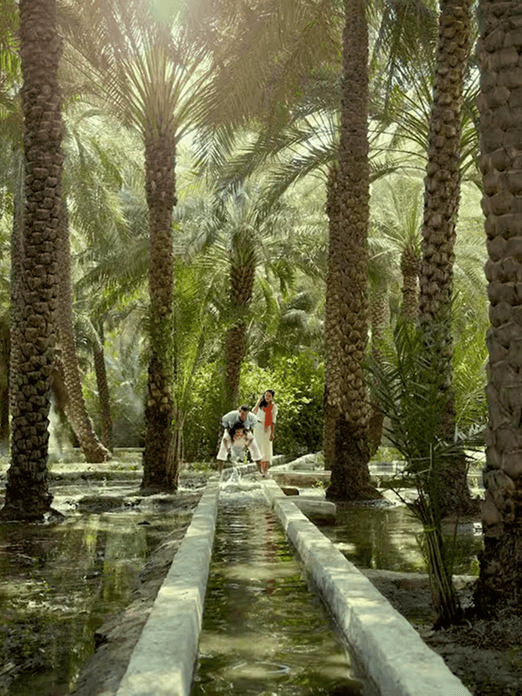
This city holds a unique place in the nation’s identity, reflecting his vision of preserving heritage, promoting sustainability, and embracing progress.
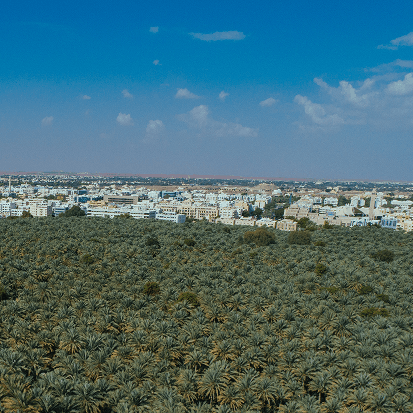
Guided by his leadership, Al Ain transformed from small oasis communities into a thriving modern city that respects its traditions while looking to the future. His legacy continues to shape Al Ain’s growth, where culture, the environment, and community values remain central to its development.
COMMITMENT TO EDUCATION
Education was central to Sheikh Zayed's vision, and the museum reflects this through its programmes for schools, families, and researchers.
Interactive displays, guided tours, and workshops encourage learning across generations, transforming the museum into a space where history inspires curiosity and knowledge.